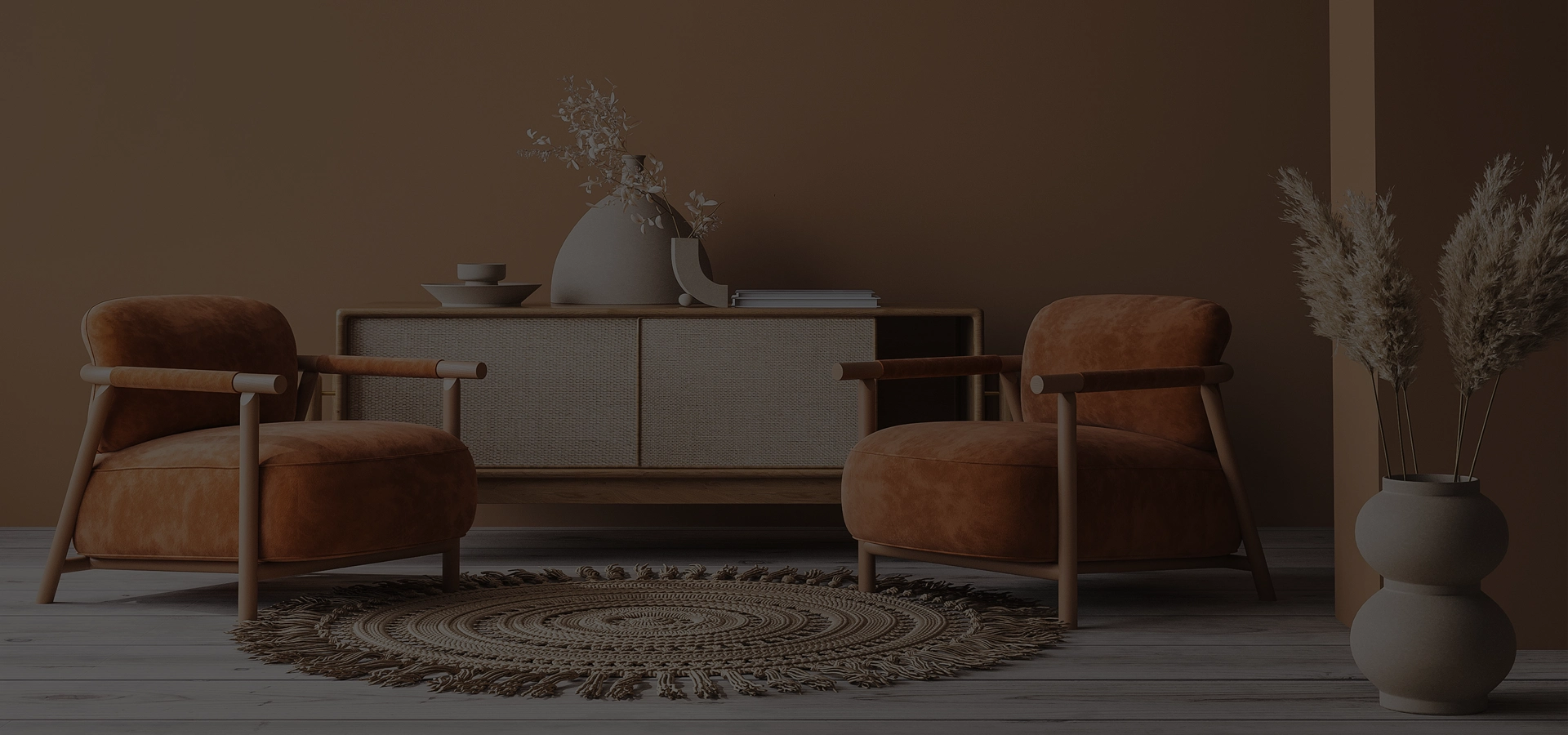
Visual harmony in interior design
Designing the layout of a home requires careful consideration of spatial flow, functional zones, and a coherent selection of visual elements.
The influence of aesthetic movements on atmosphere
Adopting clean minimalist lines helps visually calm large living spaces and reinforce a sense of order. Conversely, embracing industrial inspired design with metal beams and exposed brick creates a raw, authentic interior character.
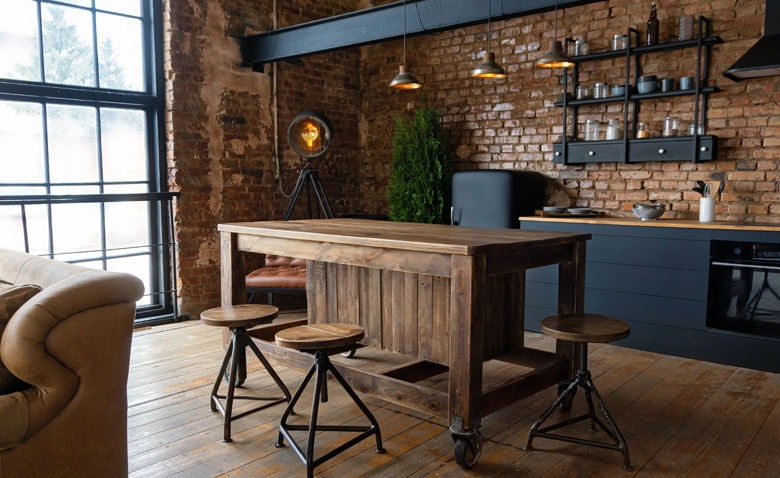
Smart structuring for living spaces
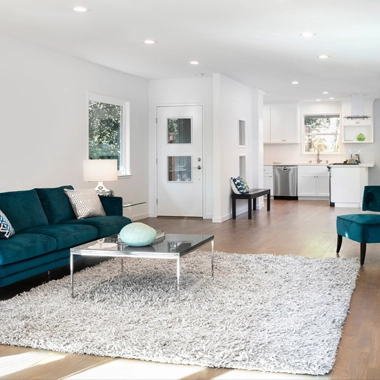
Visual delimitation of reception areas
A large well positioned rug placed under an L shaped sofa can clearly anchor the living room within an open plan space while preserving visual continuity.
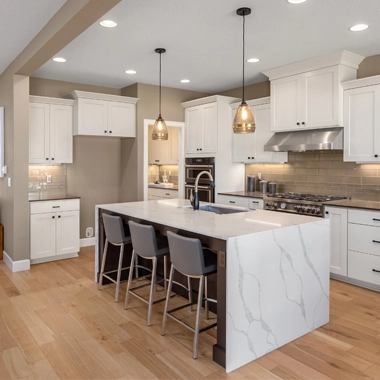
Ergonomic layout for contemporary kitchens
Installing a central kitchen island promotes smooth circulation around the cooking area while providing a practical transitional work surface for preparation and informal dining.
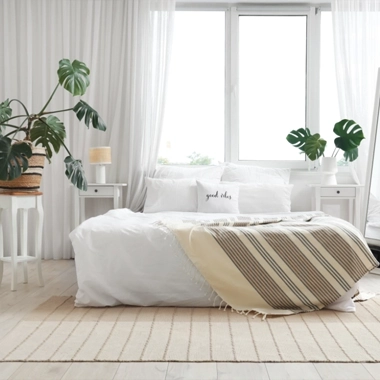
Architectural configuration suited to nighttime spaces
Positioning the bed toward a natural light source improves the waking experience, while lightweight partitions help separate the dressing area without closing off the room.
The chromatic and tactile impact on spatial volumes
Applying a dark wall shade to a central surface immediately alters the perception of depth. Combined with textured materials such as linen, this technique adds tactile contrast and creates a warmer interior atmosphere.
Lighting scenography to sculpt interiors

The importance of natural light flow during the day
Strategically placed mirrors facing windows amplify natural daylight and help reduce shadowy areas in small hallways.

Accent lighting to highlight volumes
Integrating concealed LED strips under wall shelves creates focused accent lighting that highlights architectural lines without overwhelming the living space.

The warmth provided by central pendant lighting
A large pendant light positioned above a dining table visually lowers the ceiling and creates a more intimate dining atmosphere.

Variations in intensity throughout the day
Installing wall dimmers makes ambient lighting easier to adjust, shifting from bright task lighting for focused activities to a softer evening glow.
Integrating furniture into the geometry of the home
Replacing bulky sofas with raised leg seating visually lightens the floor footprint. In narrow rooms, low sideboards provide generous storage while preserving visual perspective. Easy-to-move nesting tables add modularity without overloading the surrounding décor.
Placing indoor plants with cascading foliage near large windows adds an organic touch. At the same time, artworks with asymmetrical frames soften rigid architectural lines. Together, these decorative elements express personality while maintaining the overall spatial balance.
Smart solutions to maximize space
Using full ceiling height with custom storage frees up valuable floor space. Integrating hidden staircase drawers turns structural constraints into practical storage opportunities.